The Problem with Common Sweeteners
When first starting keto, it’s easy to assume that anything labelled sugar-free must automatically be fine, but it isn’t that simple. Many familiar brands and diet products use artificial sweeteners such as aspartame, sucralose (found in Splenda), or acesulfame-K (found in Canderel and Equal). They may not contain table sugar, but they’re still highly processed, and they don’t behave neutrally in the body.
Artificial sweeteners can sometimes confuse your metabolism. Your body tastes sweetness and expects sugar, which can trigger an insulin response even when no real sugar arrives. They may also disrupt gut bacteria and keep cravings alive, making it harder to adjust to a lower-sugar way of eating.
Even more importantly, many powdered versions are bulked up with maltodextrin or dextrose — starches that digest very quickly and can raise blood glucose almost as much as sugar. So, while they’re “sugar-free,” they’re not always blood-sugar-friendly.
I’ve been strongly against artificial sweeteners for as long as I can remember. I never liked the taste, and the more I read about their possible health effects, the less I trusted them. So when I started keto, I was torn — I didn’t want sugar, but I didn’t want chemicals either.
Enter Erythritol…
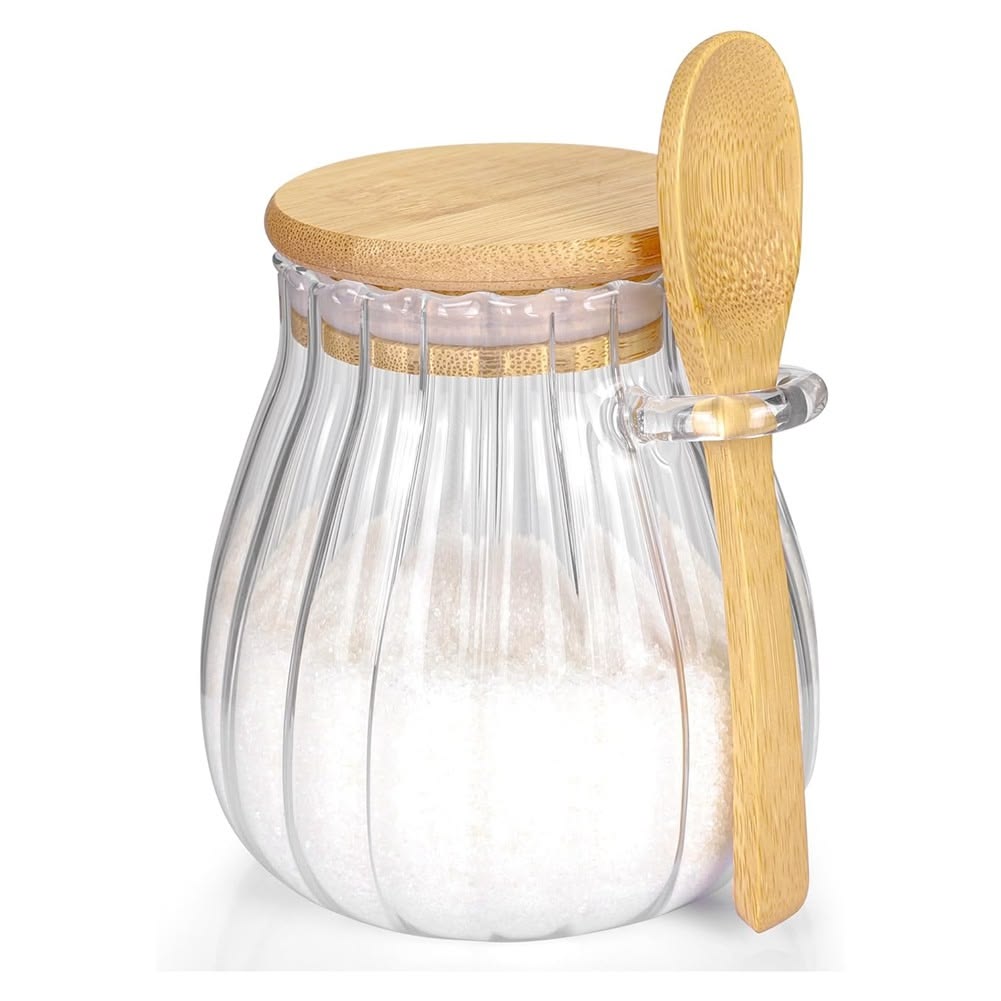
For a while, I went without any sweeteners at all, and that helped me reset my palate. But eventually, I missed the occasional sweetness in sauces, desserts, or simply to balance flavours in a savoury dish. Discovering erythritolwas a game changer. It gave me a way to add sweetness without the artificial aftertaste, and without feeling like I was compromising the whole-food approach I care about.
Erythritol is derived from a natural sugar alcohol found in some fruits. Additionally, it is affordable and readily available in the health food section at my local grocery store. There are other great sweeteners – monk fruit, allulose, liquid stevia – but they are expensive, and often quite niche, so I haven’t tried them. You may have heard about xylitol. It’s relatively fine, but toxic to dogs, so I wouldn’t use it in a home with pets.
Erythritol is about 70% as sweet as sugar, but I use it 1:1 in recipes, since my former sweet tooth has mellowed considerably. That’s one of the unexpected gifts of keto for me: learning that I don’t need things to be very sweet to enjoy them. I just need them to taste real.
It mixes easily into sauces, puddings, and mug cakes, though it doesn’t caramelise or brown like sugar does. You might notice a faint cooling effect (causing crystals) in cold desserts, but I’ve found that in creamy dishes it’s hardly noticeable. And if it clumps, a quick blitz in the blender turns it back into a smooth, fine powder that dissolves beautifully.
That Brown Sugar Taste
Then I discovered you can mimic brown sugar by adding a tiny bit of unsulphured blackstrap molasses — about ½ teaspoon per ¼ cup of erythritol.
While blackstrap molasses isn’t technically keto, it’s used in such minute amounts that I’m happy to live with it. Your mileage may vary. Fortunately there are other ways to add a bit of texture or depth to your sweetener. The trick is to layer bitterness, warmth, and umami to give your sweetener more personality. For instance, you can add a pinch of instant coffee or espresso powder in chocolate desserts or sauces for a warm and roasted undertone.
I love this little discovery because it reminds me that keto isn’t about loss — it’s about learning to taste again.
Once you step away from heavy sweetness, you start noticing the quieter flavours: toasted nuts, browned butter, vinegar, citrus, herbs. You stop thinking of sweetness as something to dominate a dish, and start treating it as just another note in the harmony.
There’s a quiet satisfaction in finding ways to make food taste rich and comforting again, without losing sight of health and simplicity.